Apartheid Era Johannesburg North: White Suffrage and the Architecture of Segregation
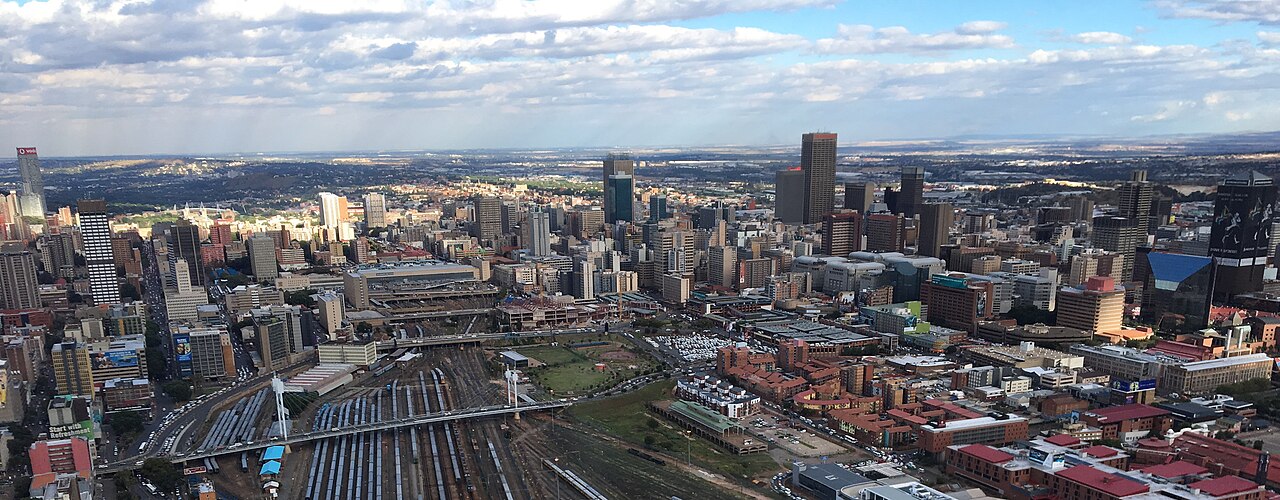
Today, the sprawling metropolis of Johannesburg, South Africa, often lauded as the "City of Gold," grapples with significant challenges, including tremendous infrastructure collapse and chronic water shortages that have left many residents in distress. The recent protests and calls for accountability from city officials like Premier Panyaza Lesufi highlight ongoing struggles with municipal neglect and mismanagement. Yet, beneath these modern woes lies a deeply complex history, where the city's very political fabric was designed to exclude, creating a society marked by profound racial segregation. Within this historical context, the parliamentary constituency of Johannesburg North offers a stark illustration of how white suffrage operated under the apartheid system, fundamentally shaping the political landscape and the lives of its inhabitants.
During the apartheid era, Johannesburg North was not merely a geographical designation; it was a carefully constructed political entity, a constituency for the House of Assembly of South Africa. This powerful legislative body, however, was exclusively the domain of the white electorate. Located in the affluent northern suburbs of Johannesburg, South Africa, this area represented a microcosm of white privilege, where democratic participation was meticulously engineered to uphold a system of racial hierarchy. Understanding the electoral mechanics and political leanings of Johannesburg North provides invaluable insight into the institutionalized racism that defined South African society for decades.
The Exclusive Electorate: Defining White Suffrage in Apartheid Johannesburg North
The foundation of political power in apartheid South Africa rested upon a highly restrictive franchise, meticulously designed to ensure white minority rule. For the Johannesburg North constituency, voter eligibility was a clear reflection of these racial laws, applying solely to white citizens residing within the Transvaal Province. When the constituency was first established in 1920, following the Union of South Africa Act of 1909, only white men aged 21 years and older, who were British subjects and provincial residents, qualified to cast a ballot. Crucially, in the Transvaal, there were no additional property or literacy requirements for white voters, making enfranchisement relatively straightforward for the privileged demographic it intended to serve.
This exclusivity wasn't accidental; it was a direct inheritance from pre-Union Transvaal practices that had always limited voting rights to whites. This policy was then entrenched nationally, effectively barring non-white populations from the common voters' roll for House of Assembly seats. The implications were profound: while white residents of Johannesburg North actively participated in electing their parliamentary representative, shaping national policy, the vast majority of non-white South Africans, including those living in the immediate vicinity, had no such voice.
A significant, albeit still racially exclusive, expansion of the franchise occurred with the Women's Enfranchisement Act of 1930. This legislation extended voting rights to white women aged 21 and over, aligning Transvaal with other provinces and allowing them to participate in elections for Johannesburg North from that point forward, provided they met residency and registration standards. While a step towards gender equality within the white community, it did nothing to dismantle the racial barriers. Instead, it merely broadened the pool of white voters, further solidifying the demographic base of apartheid's political system.
For the significant Coloured, Indian, and Black populations residing in and around Johannesburg's northern suburbs, participation remained unequivocally denied. Unlike the Cape Province, which historically had a limited multi-racial franchise before 1936, Transvaal had no such provision. Subsequent legislation, most notably the Representation of Natives Act of 1936 and the Separate Representation of Voters Act of 1951, further cemented and codified this racial exclusion, systematically removing any vestiges of non-white political representation from the main parliamentary structures. This legislative framework ensured that the voices and needs of the majority non-white population were categorically excluded from national policy-making, creating a deeply inequitable society.
Political Dynamics: United Party Dominance and Shifting Tides in Johannesburg North
Within its strictly defined white electorate, Johannesburg North exhibited distinct political leanings that offered a window into the evolving dynamics of white South African politics. The constituency, comprising primarily middle-class residential areas, proved to be a steadfast bastion of support for the United Party (UP). Its most prominent representative, Jan Hendrik Hofmeyr, enjoyed consistent backing throughout his parliamentary tenure, navigating the political landscape despite persistent opposition from the rival National Party (NP).
The electoral history of Johannesburg North, notably in pivotal elections such as those of 1924 and 1961, clearly reflected the preferences of its urban English-speaking voters. These constituents, largely aligned with the British tradition and often wary of Afrikaans nationalism, initially resisted the surge of the National Party. The United Party, seen as a more moderate, multi-ethnic (within the white context) political force, resonated with the cosmopolitan character of Johannesburg's northern suburbs. Hofmeyr, a respected figure, embodied this appeal, providing a voice for those who sought a different path than the increasingly racially radical agenda championed by the NP.
However, the political landscape was far from static. While Johannesburg North remained a UP stronghold for a significant period, broader shifts were occurring within white political alignments across South Africa. As the National Party consolidated power and intensified its apartheid policies, the country witnessed a gradual but significant movement towards conservative dominance, particularly from the 1970s onwards. This trend saw a decline in the United Party's influence, as even some traditionally UP-leaning voters either moved towards the NP or newer, more right-wing parties. While Johannesburg North may have been among the last to fully succumb, these national shifts eventually impacted even its historically resistant voter base, reflecting a hardening of conservative sentiment within the white electorate as the apartheid state became more entrenched.
Understanding these electoral patterns is crucial for appreciating the internal complexities of white politics during apartheid. It highlights that while all white voters benefited from the system, there were ideological divisions regarding its implementation and severity. The sustained support for the United Party in Johannesburg North suggests a desire for a less overtly draconian approach to race relations among a segment of the white middle class, even as they fundamentally participated in and benefited from a segregated society.
Segregation Beyond the Ballot Box: The Broader Apartheid Context
The exclusive suffrage of Johannesburg North was not an isolated phenomenon but an integral part of the sprawling, meticulously engineered system of apartheid that permeated every aspect of life in South Africa. The very act of restricting the vote to whites in constituencies like Johannesburg North was a fundamental pillar of state power, ensuring that the levers of national policy-making remained firmly in the hands of the white minority. This disenfranchisement went far beyond merely denying a ballot paper; it represented a systematic erasure of identity, agency, and influence for the majority non-white population.
Legislation like the Representation of Natives Act of 1936 effectively removed Black voters from the common voters' roll in the Cape Province (where they had a limited franchise), consigning them to a separate, powerless electoral system designed to be easily controlled by the white government. Later, the Separate Representation of Voters Act of 1951 similarly targeted Coloured voters, removing them from the common roll and placing them in their own separate, subordinate councils. These acts, coupled with myriad other laws governing land ownership, residence, education, employment, and social interaction, created an intricate web of racial segregation and discrimination.
For residents of the northern suburbs of Johannesburg, this meant a world apart from the realities faced by their non-white counterparts. While white residents enjoyed access to superior infrastructure, education, healthcare, and economic opportunities, their non-white neighbors were relegated to designated townships and informal settlements, often lacking basic services. The white-only House of Assembly, elected by constituencies like Johannesburg North, was the legislative engine that drafted, approved, and enforced these discriminatory laws, from the infamous Group Areas Act to Pass Laws, which dictated where and how non-white citizens could live and move.
The implications of this system were profound and long-lasting. It fostered deep-seated inequalities, resentment, and a legacy of social and economic disparities that continue to challenge modern South Africa. The era ended only with the democratic transition in 1994, which saw the dismantling of apartheid laws and the establishment of a truly inclusive, multi-racial franchise. This historic shift finally granted all citizens of Johannesburg and the wider nation the right to participate in their governance, marking a definitive end to the exclusive electorate once championed in places like Johannesburg North.
Conclusion: Legacies of Division and the Path to Inclusion
The story of Johannesburg North during the apartheid era is a powerful testament to how legal and political structures can be manipulated to enforce racial segregation and privilege. Through the meticulous crafting of white suffrage laws, constituencies like this one became instruments for maintaining a system that systematically denied democratic rights and human dignity to the majority. The steadfast support for the United Party in Johannesburg North initially reflected a particular segment of white political identity, but ultimately, it was part of a larger electoral system designed to perpetuate apartheid.
From the exclusive male franchise of 1920 to the limited inclusion of white women in 1930, every electoral decision reinforced the racial divide, cementing the exclusion of Coloured, Indian, and Black South Africans. While the challenges facing contemporary Johannesburg, such as the water crisis and infrastructure woes, are distinct from the political struggles of the past, they exist in a nation still navigating the deep-seated legacies of systemic inequality. The journey from the racially exclusive ballot box of apartheid Johannesburg North to the inclusive, democratic elections of today serves as a critical reminder of the transformative power of political inclusion and the enduring importance of ensuring equitable representation for all citizens.